Common carpet cleaning mistakes Catford homeowners avoid
If you have ever scrubbed a carpet spot until your arm felt like it had done a full day's work, only to watch the mark come back later, you are not alone. Plenty of Catford homeowners try to tackle carpet cleaning themselves, then end up with dull patches, wicking stains, or that slightly damp smell that hangs around far too long. The good news? Most of the damage is avoidable. This guide to common carpet cleaning mistakes Catford homeowners avoid breaks down what goes wrong, why it happens, and how to clean more safely and effectively without making the job harder than it needs to be.
Whether you are freshening up a hallway runner, dealing with pet accidents, or trying to make a family room look presentable before guests arrive, the same basic principles apply. Let's face it, carpets can look simple from a distance and still be surprisingly fussy up close.
Table of Contents
- Why these carpet cleaning mistakes matter
- How better carpet cleaning actually works
- Key benefits and practical advantages
- Who this is for and when it makes sense
- Step-by-step guidance
- Expert tips for better results
- Common mistakes to avoid
- Tools, resources and recommendations
- Law, compliance, standards, or best practice
- Options, methods, or comparison table
- Case study or real-world example
- Practical checklist
- Conclusion
- Frequently asked questions
Why Common carpet cleaning mistakes Catford homeowners avoid Matters
Carpet cleaning looks straightforward until you see the aftermath of doing it the wrong way. Over-wetting, using the wrong product, or chasing one stain with three different sprays can cause more problems than the original spill. In a busy Catford home, that can mean carpets staying damp during a chilly morning, fibres going stiff after drying, or marks spreading into larger patches that are harder to hide.
The main reason these mistakes matter is that carpets are layered materials. The pile you see is only the surface. Below that, you have backing, adhesive, underlay, and sometimes floor coverings beneath. If moisture or chemical residue gets too deep, you can create odours, mould risk, texture changes, or long drying times. Not ideal. And once a stain has been driven deeper into the fibres, it often takes far more work to lift.
There is also the cost angle. A cheap bottle of cleaner can become an expensive headache if it strips colour or leaves residue that attracts dirt faster than before. In other words, the wrong quick fix often becomes a repeat job.
Expert takeaway: the best carpet cleaning is usually the least dramatic. Gentle action, the right product, and good drying habits beat aggressive scrubbing nearly every time.
For homeowners in Catford, this is especially useful in older properties, family homes, flats with limited airflow, and households with pets or children. Each of those settings changes how quickly a carpet dries and how carefully you need to treat stains.
How Common carpet cleaning mistakes Catford homeowners avoid Works
At its simplest, proper carpet cleaning works by loosening soil, lifting it away from the fibres, and removing the dirty moisture or residue before it settles back in. The detail matters. If you only move dirt around, the carpet may look cleaner for an hour and then show a grey cast once it dries. If you use too much solution, residue remains sticky and attracts fresh soil. That is where the cycle starts.
The process usually follows four stages:
- Identify the carpet type and the stain type. Wool, synthetic blends, loop pile, cut pile, and textured carpets all react differently. Food stains are not the same as pet urine, and greasy marks behave differently again.
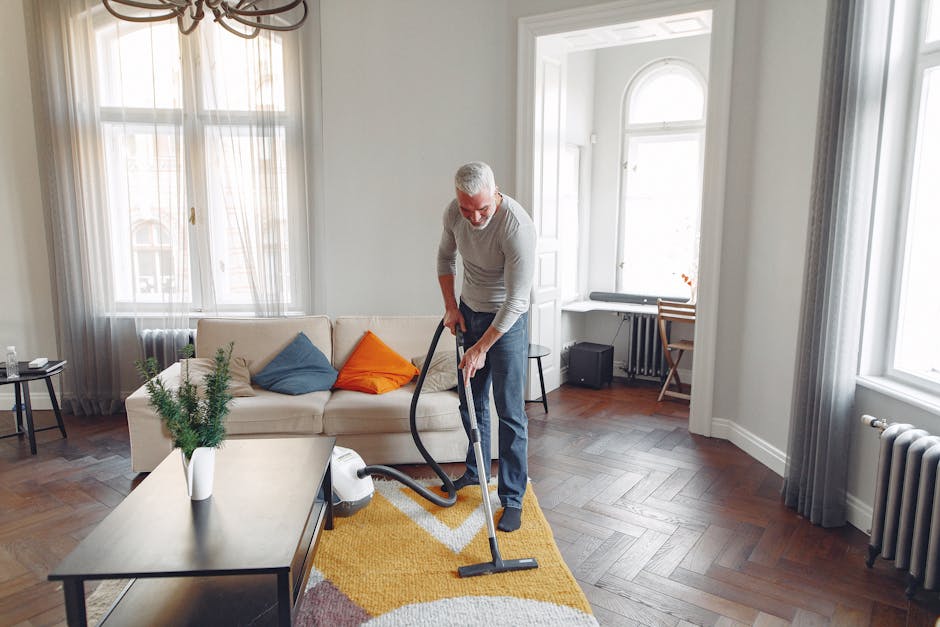
- Remove dry soil first. Vacuuming is not a side step; it is the foundation. Dry grit acts like sandpaper when wet cleaning starts.
- Apply the right method lightly. That might mean spot treatment, hot water extraction, low-moisture cleaning, or careful hand cleaning. More product is not better.
- Extract, blot, and dry properly. The goal is to remove contamination and moisture, not just make the carpet smell like lemon for a day.
A lot of mistakes come from skipping one of those stages or rushing through them. Truth be told, the drying stage is where many homeowners slip up. You clean at 6pm, walk on the carpet at 7pm, and by morning the fibres have flattened into odd tracks. Happens all the time.
If you are looking at a stain and wondering whether it needs a full clean or just a targeted treatment, the answer depends on age, depth, and what caused it. A fresh tea spill is one thing; an old muddy patch near the hallway is another.
Key Benefits and Practical Advantages
When you avoid the common pitfalls, the benefits are obvious very quickly. Your carpet looks better, sure, but the practical gains go deeper than appearance.
- Longer carpet life: less fibre wear, less distortion, fewer permanent marks.
- Better indoor freshness: especially important if you have pets, food spills, or a damp winter home.
- More even results: no patchy spots, tide marks, or shiny abrasion marks.
- Lower repeat cleaning: good technique stops dirt from returning so quickly.
- Safer living spaces: less excess moisture and fewer slippery residues.
There is also a subtle but real benefit in how the room feels. A properly cleaned carpet makes a space look cared for. You notice it when you walk in, even if you cannot immediately say why. The room seems brighter. Fresher. Less tired.
For landlords, tenants, busy families, and homeowners preparing to move, this matters because carpets often sit right at the centre of first impressions. Hallways, stairs, lounge areas, and bedrooms all tell a story. A clean carpet says the home has been looked after.
Who This Is For and When It Makes Sense
This guide is for anyone who cleans their own carpets or wants to understand what can go wrong before booking help. It is especially relevant if you live in a Catford flat, a terraced house, a shared rental, or a family home where foot traffic never really stops.
You will find it useful if:
- you are dealing with repeat stains in the same spot
- you have tried shop-bought carpet cleaners and the mark came back
- your carpet smells musty after cleaning
- you see ring marks after spills
- you have pets, children, or frequent visitors
- you are moving out and want the carpet to look presentable without damage
It also makes sense for anyone comparing DIY cleaning with professional help. Sometimes DIY is fine. Sometimes it is a false economy. If the carpet is delicate, the stain is unknown, or the area is large, a cautious approach is usually the smarter one.
And yes, if you are standing in the middle of the room at 9pm with a spray bottle in one hand and a towel in the other, wondering what on earth to do next, this is for you too.
Step-by-Step Guidance
Here is a sensible, low-risk process for cleaning carpets at home without making the common mistakes worse.
1. Start with a proper vacuum
Vacuum slowly and in overlapping passes. The point is to lift dry grit before any moisture goes near the fibres. If you skip this, dirt turns into a muddy paste and spreads. That is the sort of thing that makes a carpet look older than it is.
2. Test any product first
Test in a hidden area, such as inside a wardrobe edge or behind a sofa. Wait for drying, not just a few seconds. Some products look harmless when wet and reveal colour change later.
3. Blot, do not scrub
Blot from the outside of the stain inward. Scrubbing frays fibres and pushes the stain wider. A clean white cloth is usually safer than a coloured towel that might bleed dye.
4. Use minimal moisture
Dampen, do not flood. If you can hear squelching, you have gone too far. Excess water is one of the main reasons carpets smell stale after cleaning.
5. Rinse residue out carefully
If you use a cleaner, remove it properly. Leftover detergent can leave a sticky film that attracts dirt. This is why some carpets seem to get dirty again fast after a DIY attempt.
6. Dry the area thoroughly
Open windows if weather and security allow, use fans if needed, and keep traffic off the area until fully dry. In cooler Catford weather, this step can take longer than people expect.
7. Inspect once dry
Check for rings, crunchy fibres, or a lingering smell. If the stain is still there, do not immediately attack it with another strong cleaner. Pause. Reassess. Sometimes a second heavy-handed attempt causes the real damage.
Expert Tips for Better Results
A few small habits make a big difference. Nothing fancy, just the kind of detail that separates a decent clean from a frustrating redo.
- Work with the carpet, not against it. Follow the pile direction when blotting and grooming.
- Use a white cloth or white towel. It removes the risk of dye transfer. Simple, but oddly overlooked.
- Keep a second dry cloth ready. Wet blotting without dry extraction is only half the job.
- Do not mix products. Combining cleaners can create residue or unexpected reactions. Also, your nose will know. Sharp chemical smells linger.
- Treat stains quickly, but calmly. Fast matters. Panic does not.
- Consider airflow before cleaning. If the room has little ventilation, choose a lower-moisture method.
A practical rule of thumb: if you are unsure, use less product than you think. You can always repeat a gentle clean. It is much harder to undo over-wetting or fibre damage. Honestly, that single habit prevents more headaches than most people realise.
For pet owners, enzyme-style treatments can be helpful for organic messes, but they still need correct application and drying. For food and drink spills, prompt blotting is usually better than aggressive soaking. Different stains, different tactics. That part matters.
Common Mistakes to Avoid
This is the heart of the topic. Most carpet problems do not come from one huge disaster. They come from a handful of repeat errors that seem harmless in the moment.
Using too much water
Over-wetting is probably the biggest mistake. It pushes dirt deeper, slows drying, can affect the underlay, and may create damp odours. If you have ever cleaned a carpet in the morning and still found it cool and clammy by evening, this is likely why.
Scrubbing stains aggressively
Scrubbing may feel productive. It is not. It fuzzes fibres, spreads the stain, and can create a worn patch that catches the light differently.
Choosing the wrong cleaner
Some products are too strong for wool or delicate fibres. Others are made for general use but not for specific stains like grease, tannin, or pet urine. Always check compatibility before applying anything.
Skipping a spot test
This one is boring and essential. A spot test can prevent discolouration or texture change. A few minutes now can save a costly replacement later.
Leaving residue behind
Soap residue can trap new dirt. That is why some carpets seem to become dull again so quickly. If a carpet feels slightly tacky after cleaning, that is a warning sign.
Cleaning the visible stain but ignoring the source
Pet accidents, drink spills, and tracked-in mud often spread beyond the obvious surface mark. Clean the edges and the surrounding fibres too, or the stain may reappear after drying.
Overusing fragrance products
Smell is not clean. A carpet can smell perfumed and still be dirty underneath. Heavy fragrance can also mask problems like dampness or lingering contamination.
Walking on the carpet too soon
Foot traffic compresses damp fibres and can transfer new soil back into the area. If you must cross it, use clean socks or a dry path if possible. Not glamorous, but practical.
Ignoring the drying environment
Cold rooms, closed windows, and low airflow make carpets dry slowly. If your home is damp anyway, take drying seriously. A dehumidifier or fan may help where appropriate.
One more thing: if a stain keeps returning after you clean it, that usually means moisture is carrying residue up from below the surface. The stain was never fully removed, just hidden for a while. Annoying, yes. Common, also yes.
Tools, Resources and Recommendations
You do not need a huge kit, but the right tools help you avoid the usual mistakes. A careful homeowner can get good results with a sensible setup.
- Vacuum with strong suction: the pre-clean matters more than most people think.
- Microfibre cloths: good for blotting without shredding the pile.
- Soft brush or carpet grooming brush: useful for lifting fibres once dry.
- White absorbent towels: safer than coloured cloths.
- Appropriate carpet cleaner: matched to carpet fibre and stain type.
- Fan or dehumidifier: especially helpful in cooler or less ventilated rooms.
- Protective gloves: sensible if you are using cleaning chemicals.
If you are comparing whether to do it yourself or use a specialist, look at the carpet type, the age of the stain, and the room conditions. A low-pile synthetic carpet in a bright, airy room is usually less risky than a wool carpet in a small flat with limited airflow. That distinction is easy to miss in the moment.
Related services can also matter if the mess has spread beyond the floor. For example, a stain source on a sofa or rug can recontaminate the carpet if left untreated. In those cases, it may help to look at sofa cleaning, rug cleaning, or pet stain and odour removal alongside carpet care.
If you are unsure how to budget for the work, the site's pricing and quotes page is the best place to start. No drama, just clarity.
Law, Compliance, Standards, or Best Practice
For homeowners, carpet cleaning is usually about safety, care, and reasonable household maintenance rather than formal legal compliance. Still, there are a few best-practice points worth keeping in mind.
First, always follow product instructions and ventilation advice. That is basic, but it matters. If you are using chemical cleaners, keep them out of reach of children and pets and avoid mixing products unless the label clearly says it is safe.
Second, think about electrical safety around water. Keep cords, plug sockets, and powered equipment well away from wet carpet areas. If you are using any powered drying equipment, make sure it is suitable for indoor use and positioned safely. A bit of common sense goes a long way here.
Third, if you live in a rented home, check your tenancy terms before using strong cleaning methods that could damage flooring. In many cases, you are expected to return the carpet in a reasonably clean condition, but not to risk damaging it in the process. That balance matters.
Professional cleaners also tend to work with public liability insurance and documented safety practices. If you are booking help, it is fair to ask about that. The insurance and safety and health and safety policy pages are useful if you want a clearer picture of how the company handles that side of the work.
Options, Methods, or Comparison Table
Different carpet-cleaning approaches suit different situations. Here is a simple comparison that may help you choose the least risky option for your home.
| Method | Best for | Pros | Watch-outs |
|---|---|---|---|
| Vacuuming and spot cleaning | Fresh spills, light marks | Fast, low risk, inexpensive | Won't solve deep-soiled carpets |
| DIY shampoo or spray cleaner | Small rooms, synthetic fibres, moderate dirt | Good for routine refresh | Easy to overuse and leave residue |
| Hot water extraction | Heavier soiling, larger areas | Deep cleaning, strong results when done well | Can over-wet carpet if rushed |
| Low-moisture cleaning | Rooms that need faster drying | Quicker turnaround, less water | May not suit every stain type |
| Professional cleaning | Delicate fibres, large jobs, stubborn stains | Expert assessment, better equipment, safer technique | Cost and scheduling need planning |
If you are unsure, ask yourself one question: is the problem mainly surface dirt, or is it a deeper issue involving odour, repeated staining, or fibre damage? That answer usually points you toward the right method.
For larger home-cleaning jobs, it can also help to think about the rest of the property. A home that needs carpet care may also need deep cleaning, one-off cleaning, or even domestic cleaning if the goal is a proper reset rather than a single spot fix.
Case Study or Real-World Example
A Catford homeowner called it a "small coffee accident", which is how these things often begin. A mug tipped over on a lounge carpet near a window, and the first attempt was a strong general cleaner, followed by a heavy scrub with a bath towel. The visible stain lightened, so it seemed fine. By the next day, a pale ring had appeared around the cleaned patch, and the carpet felt slightly stiff.
What went wrong? Three things. The cleaner was applied too generously, the stain was scrubbed rather than blotted, and the residue was not fully removed. The moisture also dried unevenly because the room had poor airflow that afternoon. The result was not catastrophic, but it was more noticeable than the original spill.
The better fix would have been: blot first, test the cleaner, use a small amount, lift the moisture, and dry the area with airflow. Nothing dramatic. Just patient, careful steps. Once the carpet was re-treated properly, the ring reduced and the texture recovered enough to stop drawing the eye. Not perfect, but much better.
That is a typical pattern. Most carpet issues are less about one huge mistake and more about a series of understandable little ones. Easy to do, honestly. Also easy to avoid once you know what to look for.
Practical Checklist
Use this before and after cleaning to keep things on track.
- Vacuum the carpet thoroughly before adding moisture
- Identify the stain type if possible
- Test the cleaner in a hidden area
- Use a small amount of product first
- Blot rather than scrub
- Do not saturate the carpet
- Extract excess moisture with a dry cloth
- Improve airflow for drying
- Keep people and pets off the area until fully dry
- Check for rings, smell, or stiffness once dry
- Repeat gently only if needed
- Call for help if the stain is old, large, or delicate
Quick reminder: if the carpet looks wet, smells damp, or feels tacky, it is not finished yet. Wait a bit longer. Sometimes patience is the best cleaner in the room.
If you want a straightforward route to a cleaner result, the carpet cleaning service page gives a simple overview of what professional support can cover, while the contact us page is there if you need to ask about a specific stain or room type.
Conclusion
Most common carpet cleaning mistakes Catford homeowners avoid come down to the same handful of habits: too much water, too much scrubbing, the wrong product, and not enough drying time. Once you know those traps, the whole job becomes calmer and more predictable.
You do not need to be a flooring expert to protect your carpets. You just need to slow down a little, choose the right method, and treat the fibres with more care than the stain deserves. That sounds almost too simple, but it works.
If your carpet is lightly marked, a careful DIY clean may be all you need. If the stain is stubborn, the room is hard to dry, or the fibres are delicate, it is often wiser to step back before making things worse. A good result usually comes from restraint, not force. And that is oddly reassuring, really.
Get a free quote today and see how much you can save.
For extra background on the company and its service approach, you can also review the about us page. Sometimes a little context makes the next decision feel much easier.
Frequently Asked Questions
What are the most common carpet cleaning mistakes homeowners make?
The biggest mistakes are over-wetting, scrubbing stains too hard, using the wrong cleaner, skipping a spot test, and leaving residue behind. Those five account for a lot of avoidable damage.
Why does my carpet smell worse after cleaning?
That usually means too much moisture was left in the fibres or underlay, or the stain was only partly removed. If the carpet cannot dry properly, odours tend to hang around.
Is steam cleaning safe for all carpets?
No, not always. Some carpets handle hot water extraction well, but delicate fibres, older carpets, or heavily soiled areas may need a gentler or more controlled approach. Always check the carpet type first.
How long should a carpet take to dry after cleaning?
It varies with method, ventilation, room temperature, and how much water was used. A carpet should not stay damp for long enough to smell musty. If it does, something likely went wrong with the process.
Can I use washing-up liquid on carpet stains?
It is not usually the best idea. Washing-up liquid can leave residue and attract dirt if it is not rinsed out properly. A carpet-specific cleaner is usually safer.
Why does the stain come back after it dries?
That is often called wicking. Moisture brings hidden soil up from deeper in the carpet as it dries. It is common after over-wetting or incomplete extraction.
Should I clean a carpet stain straight away?
Yes, as soon as you can, but calmly. Blot first. Do not rub. The sooner you remove the spill, the less chance it has to settle into the pile.
What should I do if I made the stain worse?
Stop cleaning immediately and let the area dry enough to reassess. Adding more product in a rush can create bigger marks, more residue, or fibre damage.
Are homemade carpet cleaning solutions a good idea?
Sometimes, for light spot cleaning, but they should be used carefully. Always test first and avoid anything that could bleach, dye, or leave sticky residue behind.
When is it better to call a professional cleaner?
If the carpet is delicate, the stain is old or large, the odour is strong, or you have already tried a few methods without success, professional help is often the safer choice.
Do professionals use different methods for pet stains?
Usually, yes. Pet stains can need targeted treatment because of odour, contamination depth, and the risk of recurring marks. Standard cleaning alone is not always enough.
Can carpet cleaning damage underlay or flooring underneath?
Yes, if too much water is used or moisture is left sitting for too long. That is one reason proper extraction and drying matter so much.