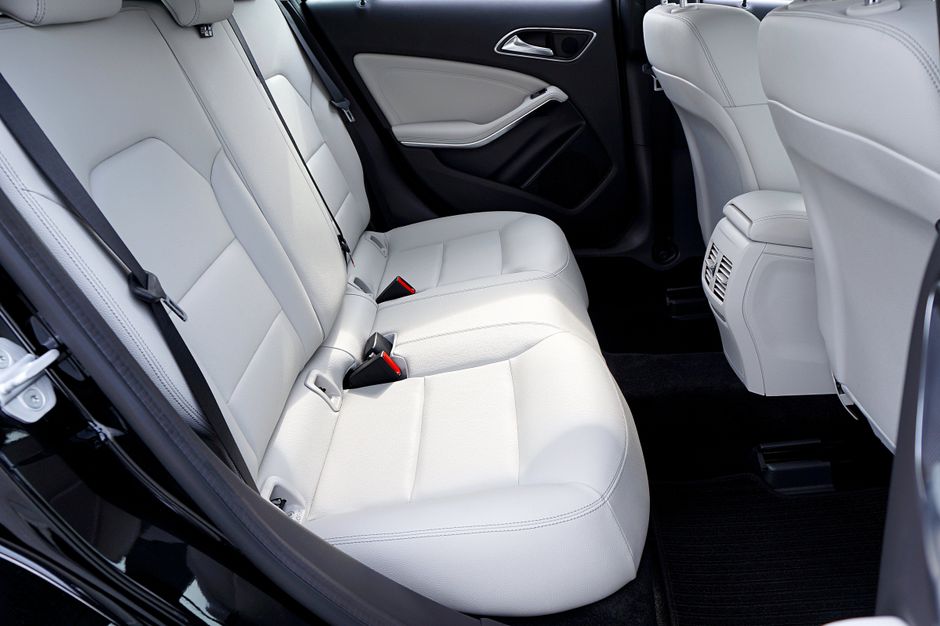
Upholstery cleaning for Catford Broadway shops
Shops on Catford Broadway live and breathe by first impressions. A clean window display helps, sure, but customers also notice the seating, the waiting bench by the counter, the fabric chair in the fitting area, or the little upholstered nook where people pause for a minute. That is where Upholstery cleaning for Catford Broadway shops quietly does its best work. It freshens the space, reduces lingering odours, and helps your shop feel looked after rather than merely wiped down.
Truth be told, upholstery in retail settings gets treated a bit harder than people think. Rainy-day coats, takeaway coffee, makeup smudges, product spills, scuffed shoes, dust from the street - it all builds up. This guide walks you through what shop upholstery cleaning involves, why it matters, how it works, and how to decide when it is worth arranging professionally. If you want the bigger service picture as well, you can also look at commercial cleaning for local businesses and the dedicated upholstery cleaning service.
- Why it matters for Catford Broadway shops
- How the cleaning process works
- Benefits and practical advantages
- Who needs it and when
- Step-by-step guidance
- Expert tips for better results
- Common mistakes to avoid
- Tools, resources and recommendations
- Law, compliance and best practice
- Options and method comparison
- Real-world example
- Practical checklist
- Conclusion
- Frequently asked questions
Why Upholstery cleaning for Catford Broadway shops Matters
Retail shops are judged in seconds. A customer might not consciously think, "This chair looks dusty," but they feel it. A stained seat, a musty smell, or crumbs in the fabric can make a tidy shop seem less credible. In a busy shopping strip like Catford Broadway, where footfall changes through the day and people pop in quickly, upholstery often carries the visual and sensory load of the whole space.
There is also the practical side. Upholstery traps dust, skin particles, pollen, spilled drinks, and the sort of general street grime that comes in on clothing. Over time, that can make seating look tired before the rest of the shop does. For businesses that use soft seating near tills, fitting rooms, consultation corners, or staff areas, regular cleaning is less about luxury and more about keeping standards consistent.
And let's face it: customers do notice smells. A chair that looks clean but carries a faint sour or damp odour can undermine all the effort you have put into the rest of the shop. That is especially awkward in small premises where air movement is limited. A proper fabric clean can reset the room in a way that quick surface wiping simply cannot.
From a business point of view, the appeal is straightforward. Better presentation, fewer complaints, and longer-lasting furniture. That is a decent trio. If you manage a broader commercial space, the service fits naturally alongside commercial carpet cleaning and office cleaning, particularly if staff and customer zones overlap.
How Upholstery cleaning for Catford Broadway shops Works
Professional upholstery cleaning is usually a mix of inspection, spot treatment, deep cleaning, and controlled drying. The exact method depends on the fabric, the type of frame, the level of soiling, and how much disruption the shop can tolerate. There is no one-size-fits-all answer here, which is honestly a good thing.
The process normally starts with a fabric check. A cleaner looks at the material, colour stability, wear, seams, prior staining, and any manufacturer guidance if it is available. That first look matters because some materials can handle hot water extraction well, while others need a gentler low-moisture approach. If a sofa in a staff lounge is part of the furniture mix, the same thinking applies as with sofa cleaning.
After that comes dry soil removal. Loose dust and grit are lifted from the surface because wet cleaning over dry dirt tends to push debris deeper into the fibres. Then comes pre-treatment. This is where targeted cleaning solutions loosen grease, drink marks, general grime, and body oils. For specific spots, a specialist stain treatment may be used, especially if the issue is a stubborn spill that has already set.
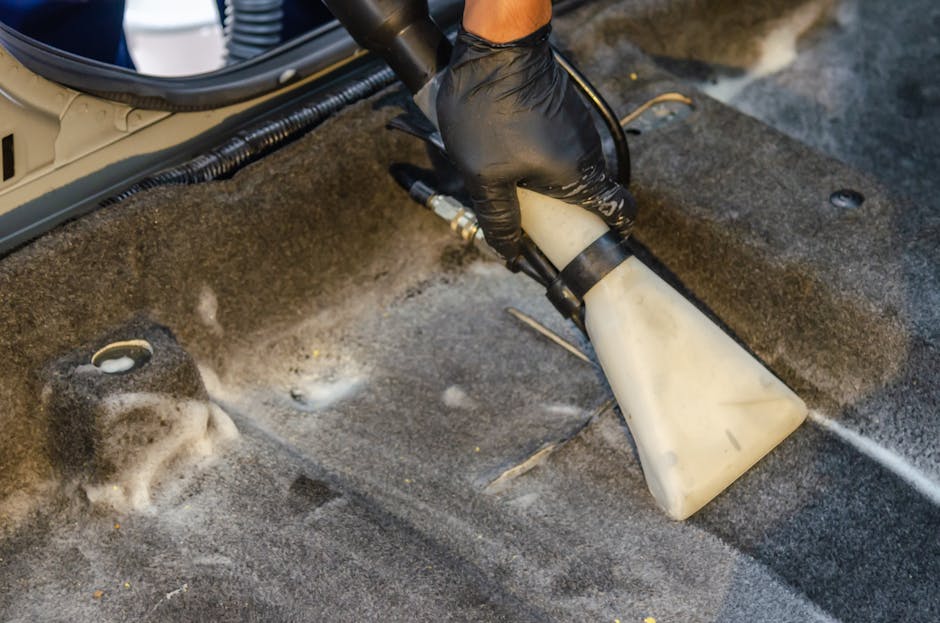
Then the main cleaning stage begins. Depending on the fabric, that may involve steam-based extraction, low-moisture encapsulation, or careful hand cleaning. The aim is simple: release dirt from the fibres without overwetting the upholstery. A good technician will manage moisture carefully so that the fabric dries properly and the filling underneath does not stay damp.
Drying is the part people underestimate. If a shop reopens too quickly or furniture is used before it has properly dried, you can get a clammy feel, a lingering smell, or even re-soiling. Good drying practice means airflow, sensible scheduling, and a bit of patience. Not glamorous, but essential.
Key Benefits and Practical Advantages
The first benefit is obvious: the furniture looks better. But the real value goes beyond a nicer chair. Clean upholstery lifts the whole shop environment, making counters, flooring, and displays feel more deliberate. It is one of those quiet upgrades that supports everything else.
Another benefit is smell control. Fabric absorbs odours from coffee cups, wet coats, food nearby, and sometimes pets if customers are allowed in. In a busy retail setting, those smells can collect faster than you expect. A deep clean helps neutralise the fabric itself rather than just masking it.
There is also the customer experience. A clean, fresh seating area tells people you care about detail. That matters in salons, gift shops, boutiques, mobile phone stores, pharmacies, independent cafes with retail corners - all the places where customers may sit, wait, or browse. It can make the space feel calmer and more trustworthy.
On the financial side, regular upholstery maintenance can delay replacement. Fabric seats and soft furnishings are not cheap, and replacing them early is annoying at best. Cleaning helps prevent a build-up of abrasive grit and grime that wears fibres down. In other words, less damage, fewer premature purchases. Nice.
Here is a small but real-world advantage: staff morale. People work differently in a tidy space. A clean break area or waiting chair is not a magic wand, but it does remove one more little thing that makes the day feel grubby. That matters over a long week.
Who This Is For and When It Makes Sense
This service is relevant for any Catford Broadway shop that uses fabric seating, upholstered benches, display stools, waiting chairs, or soft furnishing in customer-facing areas. It is especially useful if your business has moderate to heavy footfall or sees lots of quick in-and-out visits where furniture gets touched all day.
It makes sense if you are noticing any of the following:
- visible stains or patchy, dull-looking fabric
- a stale or sugary smell near seating areas
- darkening on arms, edges, or headrests
- dust and crumbs settling into the weave
- customer complaints about cleanliness
- staff needing to use the space more comfortably
It is also worth considering after seasonal peaks. Retail spaces often need a refresh after wetter months, busy holiday periods, or building works nearby. If you have recently dealt with dust or debris from renovations, upholstery can hold onto that fine residue. In those cases, pairing the work with after builders cleaning can make a lot of sense.
For some shops, a one-off deep clean is enough. For others, a regular maintenance schedule is smarter. A boutique with light use might need occasional treatment, while a waiting area with constant traffic may benefit from more frequent care. The right answer depends on use, not guesswork. Simple as that.
Step-by-Step Guidance
If you are planning upholstery cleaning for a shop, it helps to think in steps. That makes it easier to brief the cleaner and avoid rushed decisions on the day.
- Identify the items to be cleaned. List chairs, benches, stools, banquettes, and any fabric surfaces customers or staff use.
- Check the fabric type if possible. If tags, receipts, or supplier details are available, keep them handy. Even a rough idea helps.
- Note the problem areas. Mention stains, smells, high-wear patches, and any delicate areas the cleaner should avoid overworking.
- Choose the right timing. Plan around opening hours, deliveries, and peak customer times so the shop is not disrupted.
- Prepare the space. Move portable items, clear the area around seats, and make access easy. A little prep goes a long way.
- Ask for a test on a hidden section. This is a sensible safeguard, especially on older or colour-sensitive fabrics.
- Let the cleaning method match the material. Wet cleaning is not automatically best. The fabric decides a lot.
- Allow proper drying time. Do not rush people back onto damp upholstery. It is not worth it.
One practical trick: take a quick "before" photo from the same angle you use for your shop updates or internal records. It helps you spot whether the clean has genuinely improved the fabric, and it is useful if you are managing several sites. A bit boring, yes, but surprisingly useful.
Expert Tips for Better Results
Good upholstery results depend on judgement as much as equipment. Here are the details that make a difference in real shops.
Match the method to the fabric. Cotton blends, synthetic fabrics, velvet-style materials, and leather-look upholstery all behave differently. What works brilliantly on one can be a bad idea on another. If you are unsure, ask for a cautious assessment rather than a brute-force clean.
Deal with stains early. Fresh spills are much easier to lift than old marks that have settled into the fibres. A coffee ring from this morning is a very different animal from a mark that has lived there for three months. That much is plain truth.
Use airflow, not panic. Opening windows where safe, running suitable ventilation, and leaving space around furniture helps drying without creating extra problems. Overheating is rarely the answer.
Keep the surrounding area clean too. If the upholstery is cleaned but the floor nearby is dusty, the result will not feel truly fresh. Pairing the work with hard floor cleaning or carpet cleaning can help the room feel fully reset.
Plan around customer behaviour. For example, a chair next to the till might need more frequent attention than a decorative bench at the back. High-touch zones are the real battleground.
Make a simple maintenance habit. Light vacuuming, prompt spot treatment, and regular checks stop grime from becoming a big job. A ten-minute weekly tidy-up can save a lot later. Honestly, it adds up.
Common Mistakes to Avoid
A lot of upholstery damage does not come from dirt. It comes from poor cleaning choices. That is the annoying part.
- Using too much water. Overwetting can lead to long drying times, water marks, or odours trapped under the surface.
- Scrubbing stains aggressively. This can push the stain deeper or rough up the fabric pile.
- Using the wrong product. A strong chemical may fix one problem and create another, like fading or residue.
- Ignoring fabric instructions. Even if the furniture looks sturdy, the fibres may be delicate.
- Cleaning only the obvious stain. Spot-cleaning one patch can leave a halo or make the surrounding fabric look dull by comparison.
- Putting the furniture back into use too soon. Damp upholstery in a retail space is a bad mix.
There is another mistake that shows up a lot in shops: waiting until the upholstery looks genuinely bad before dealing with it. By then, the clean is harder, drying takes longer, and the result is less even. Prevention is much easier than rescue work.
Tools, Resources and Recommendations
For professional results, the main tools are usually not mysterious at all. You are looking at inspection lamps, vacuum extraction equipment, specialist upholstery attachments, pre-sprays, spot treatments, absorbent cloths, and controlled drying support. The important part is not the label on the machine; it is whether the cleaner knows how to use it properly on the specific fabric in front of them.
If you are managing a small shop, you do not need to build a technical cleaning kit yourself. What helps more is having a clear process for reporting stains, noting incidents, and scheduling refreshes. A simple log of spills, seat wear, and cleaning dates can be very useful over time.
Useful supporting services can also make a difference. For example, if your shop has heavy public traffic, a broader routine such as regular cleaning can keep dust and debris from settling back into the upholstery. If odours are part of the problem, especially from food, spills, or pets brought into a pet-friendly shop, pet stain and odour removal may be relevant as a more targeted treatment.
And if you want an idea of how a wider maintenance visit could be structured, the service pages for deep cleaning and stain removal are useful starting points. They help set expectations about what can be tackled safely, and what should be approached cautiously. Not every mark is the same, after all.
Law, Compliance, Standards, or Best Practice
For shop owners, the main compliance concern is not a special upholstery law. It is broader workplace and customer safety practice. In plain English: keep the space clean, manage spill risks, avoid creating slip hazards during and after cleaning, and make sure products are used safely. If a cleaner is working during trading hours, they should be careful about access, cords, damp patches, and nearby customers.
In UK settings, it is sensible to expect a provider to have clear health and safety procedures, suitable insurance, and a straightforward complaints process. That does not need to become a drama. It just means you want confidence that the job will be handled responsibly. If you are checking a provider's approach, their health and safety policy, insurance and safety information, and terms and conditions are sensible places to look.
It is also worth understanding that good practice includes respecting fabric care instructions, using appropriate detergents, and avoiding methods that could damage the furniture. That is not just about protecting the upholstery. It also helps reduce avoidable claims, disputes, and downtime. A careful job is usually the safest job, really.
If you are comparing providers, transparency matters. Clear pricing, realistic advice, and straightforward communication are better signs than overpromising. You may also want to review the company's pricing and quotes information before booking, especially if you are planning several items at once.
Options, Methods, or Comparison Table
Different upholstery cleaning methods suit different shop conditions. Here is a straightforward comparison to help you think it through.
| Method | Best for | Strengths | Watch-outs |
|---|---|---|---|
| Hot water extraction / steam-style cleaning | Synthetic and robust fabrics with deeper soil | Good deep clean, strong soil removal, useful for general refreshes | Needs careful moisture control and drying time |
| Low-moisture upholstery cleaning | Busy shops needing faster turnaround | Quicker drying, less disruption, often practical during trading periods | May need more frequent maintenance for heavy staining |
| Hand spot treatment | Specific stains or delicate areas | Targeted, precise, helpful for isolated marks | Not a full solution if the whole item is dirty |
| Dry vacuum and surface care | Light maintenance between deeper cleans | Fast, low disruption, keeps dust down | Won't remove embedded grime or old stains |
In practice, the best approach is often a combination. A shop may use regular vacuuming and light spot treatment, then book periodic deeper cleaning for the items that carry the most visible wear. That tends to be the sensible middle ground.
Case Study or Real-World Example
Imagine a small independent shop on Catford Broadway with two upholstered benches by the fitting area and a pair of chairs near the till. The shop looks bright enough, but by Friday afternoon the seating starts to show a bit of life - and not the good kind. One bench has a faint coffee mark, one chair smells slightly musty after a wet week, and the fabric around the arms looks darker than the rest.
The owner does not want a full-day shutdown. Fair enough. So the clean is booked for a quieter morning, after stock has been moved back from the front window and before the busiest footfall starts. The cleaner inspects the fabric, tests a hidden patch, treats the marks, and uses a method that balances cleanliness with quicker drying. By the time the shop opens properly, the seating is fresher, the odour has lifted, and the whole area feels brighter.
The interesting part is not that the marks vanished completely, because sometimes older staining leaves a faint trace. The real win is that the furniture no longer distracts from the display. Customers sit down, browse, and stay a little longer. Nothing dramatic. Just a calmer, better-presented shop. That is usually how these improvements work - quietly, but meaningfully.
Practical Checklist
Use this quick checklist before booking upholstery cleaning for a shop:
- Identify every upholstered item in customer and staff areas
- Note stains, smells, wear patterns, and delicate fabrics
- Check whether the cleaning should happen before opening, after closing, or on a quieter trading day
- Ask how the fabric will be tested and protected
- Confirm drying expectations before the job starts
- Remove loose items and clear access around furniture
- Decide whether carpet, floor, or other surfaces should be cleaned at the same time
- Review the provider's safety, insurance, and pricing information
- Agree who will sign off the work and what counts as a successful finish
- Set a date for the next maintenance check instead of waiting for visible dirt
Expert summary: the best upholstery cleaning for Catford Broadway shops is the one that respects the fabric, fits the trading pattern of the business, and leaves the space genuinely fresher without creating avoidable downtime. If you get those three things right, you are already ahead of the game.
Get a free quote today and see how much you can save.
Conclusion
Upholstery in a shop works harder than most people realise. It is touched, sat on, leaned against, and noticed all day long. In a local retail setting like Catford Broadway, keeping it clean is not just about appearance. It supports comfort, confidence, and the overall feeling of care that customers pick up on almost immediately.
The good news is that upholstery cleaning does not need to be disruptive or complicated. With the right method, sensible timing, and a clear understanding of the fabric, it can slot neatly into normal shop maintenance. A small refresh can make a bigger difference than expected - one of those under-the-radar improvements that quietly lifts the whole room.
If you are weighing up whether to book a clean, start with the items people actually see and use most. From there, the decision usually becomes easier. And once the chairs are fresh again, the space just feels lighter. That counts for a lot.
Frequently Asked Questions
How often should shop upholstery be cleaned?
It depends on footfall and how visible the seating is. A lightly used boutique may only need occasional deep cleaning, while a busy customer waiting area may need more regular maintenance. Look at the fabric, not just the calendar.
Will upholstery cleaning disrupt trading hours?
It can be arranged around your schedule. Many shops choose early mornings, quieter weekdays, or after-hours appointments so the furniture has time to dry before customers return.
Can all upholstery fabrics be cleaned the same way?
No, and that is the part people sometimes miss. Different fabrics need different moisture levels, temperatures, and products. A proper cleaner should assess the material before choosing a method.
Does upholstery cleaning remove bad smells as well as stains?
Often, yes. Odours trapped in the fibres can be lifted during a proper clean, especially if the smell comes from spills, body oils, or everyday grime. Very deep or long-standing odours may need targeted treatment.
Is steam cleaning always the best option?
Not always. Steam-style extraction works well for many durable fabrics, but some materials benefit more from low-moisture or specialist hand cleaning. The best choice is the one that suits the fabric and the setting.
Can upholstery cleaning help furniture last longer?
Yes. Regular cleaning removes dirt that can wear fibres down over time. It can also reduce the chance of permanent staining, which helps delay replacement.
Should I clean carpets and upholstery at the same time?
Often that is a smart move, especially in customer-facing spaces. If both surfaces are looking tired, bundling the work can make the whole shop feel fresher and more consistent.
What should I do before the cleaner arrives?
Clear small items, make access easy, and point out stains or problem areas. If possible, move loose stock away from the furniture so the cleaner can work without interruption.
Is upholstery cleaning safe for staff areas too?
Yes, provided the correct method is used and the furniture is allowed to dry properly. Staff seating often benefits from the same attention as customer-facing areas, especially in compact shops.
How do I know if my shop needs a deep clean rather than a quick tidy?
If the fabric looks dull, feels sticky, smells stale, or has visible marks that do not respond to light maintenance, a deep clean is probably due. A quick tidy is fine for surface dust; embedded grime needs more.
What paperwork or reassurance should I expect from a provider?
Clear pricing, sensible safety information, and straightforward terms are all reasonable. For peace of mind, many businesses also want to know about insurance and how complaints are handled if anything goes wrong.
Can upholstery cleaning work as part of a wider commercial clean?
Absolutely. In fact, it often works best as part of a wider maintenance plan that may include floors, carpets, windows, and shared areas. The result feels more complete, not piecemeal.